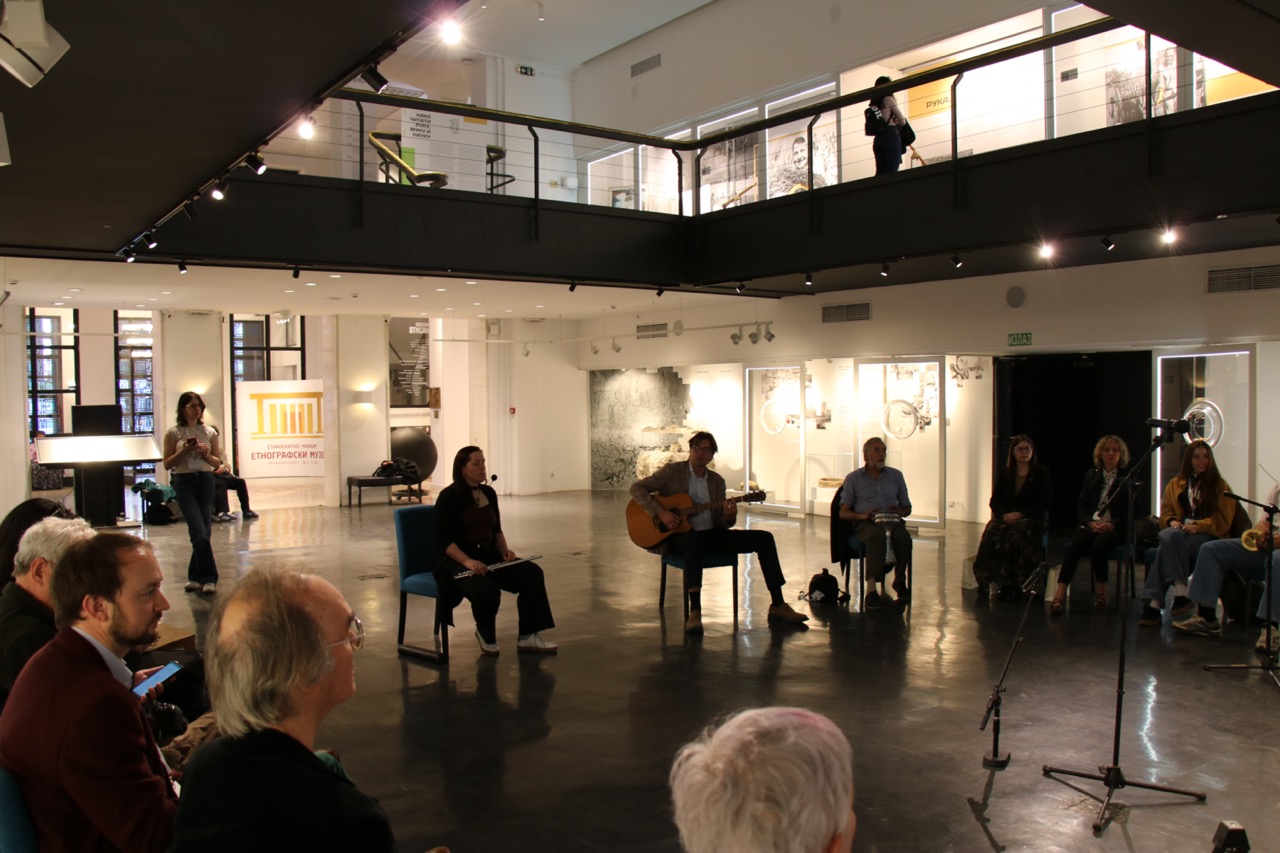


International scientific EUROMUSE Conference in Belgrade Highlights the Growing Role of Music, Sound and Audience Research in Museums
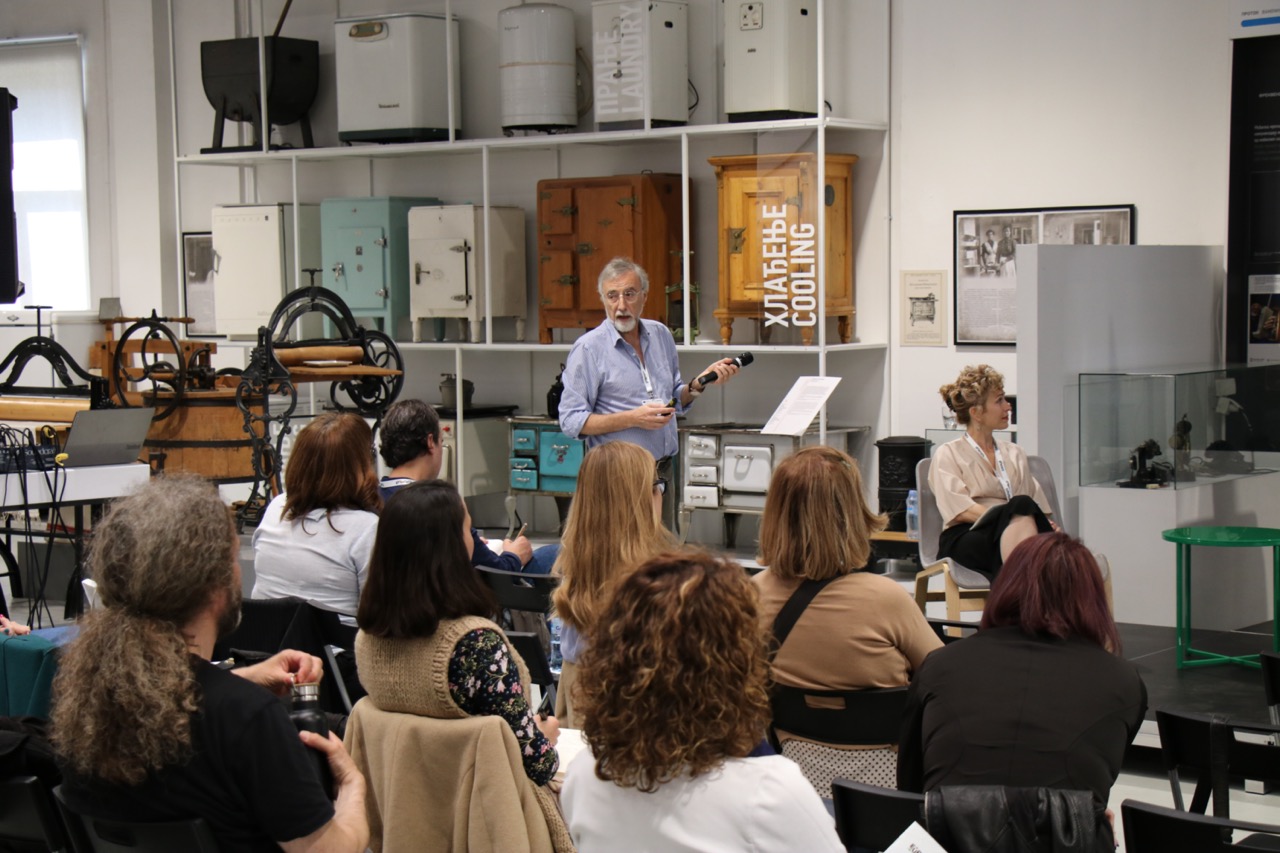 Belgrade, Serbia, 25–26 April 2026 — The international scientific conference EUROMUSE — Museums, Music, and Audiences: Towards Inclusive and Data-Informed Cultural Practice was successfully held in Belgrade, bringing together researchers, museum professionals, artists, composers and cultural practitioners from across Europe and beyond.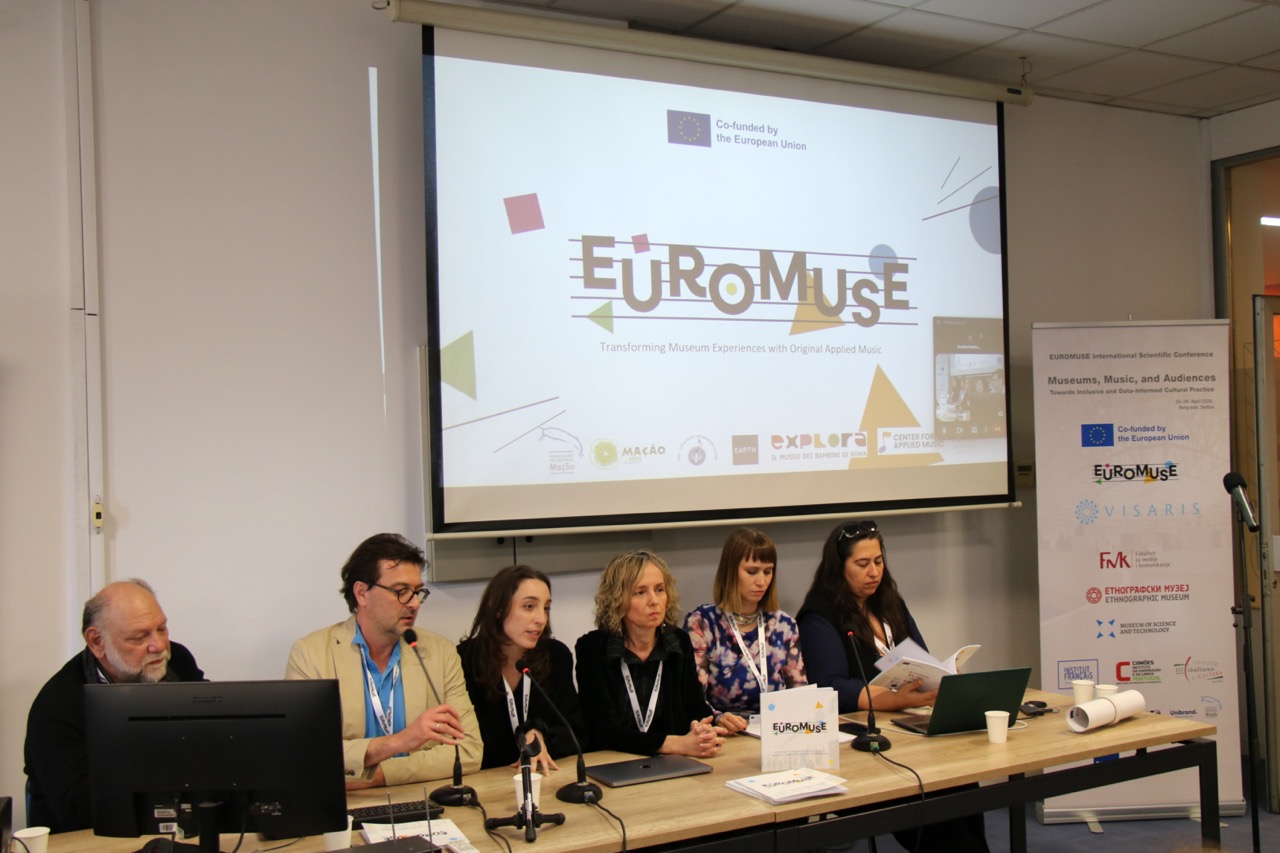
Held over two days in three cultural and academic venues — the Faculty of Media and Communications, the Museum of Science and Technology in Belgrade, and the Ethnographic Museum in Belgrade — the conference explored how music and sound can enrich museum interpretation, support audience engagement, contribute to inclusion and wellbeing, and open new possibilities for data-informed cultural practice.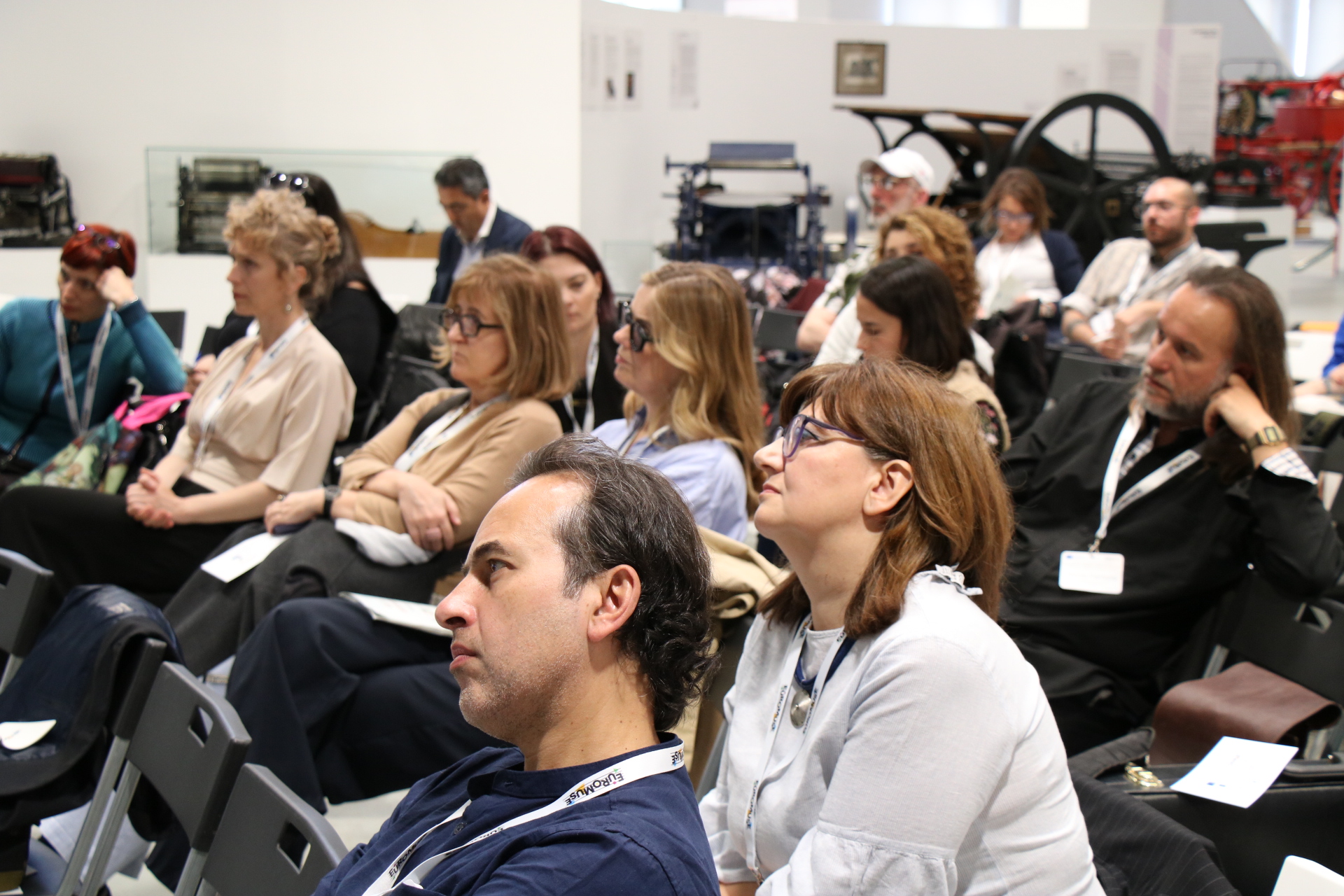
The event was organised within the framework of EUROMUSE, a Creative Europe cooperation project dedicated to the development of applied music for museums, audience research and new participatory models connecting museums, composers and visitors.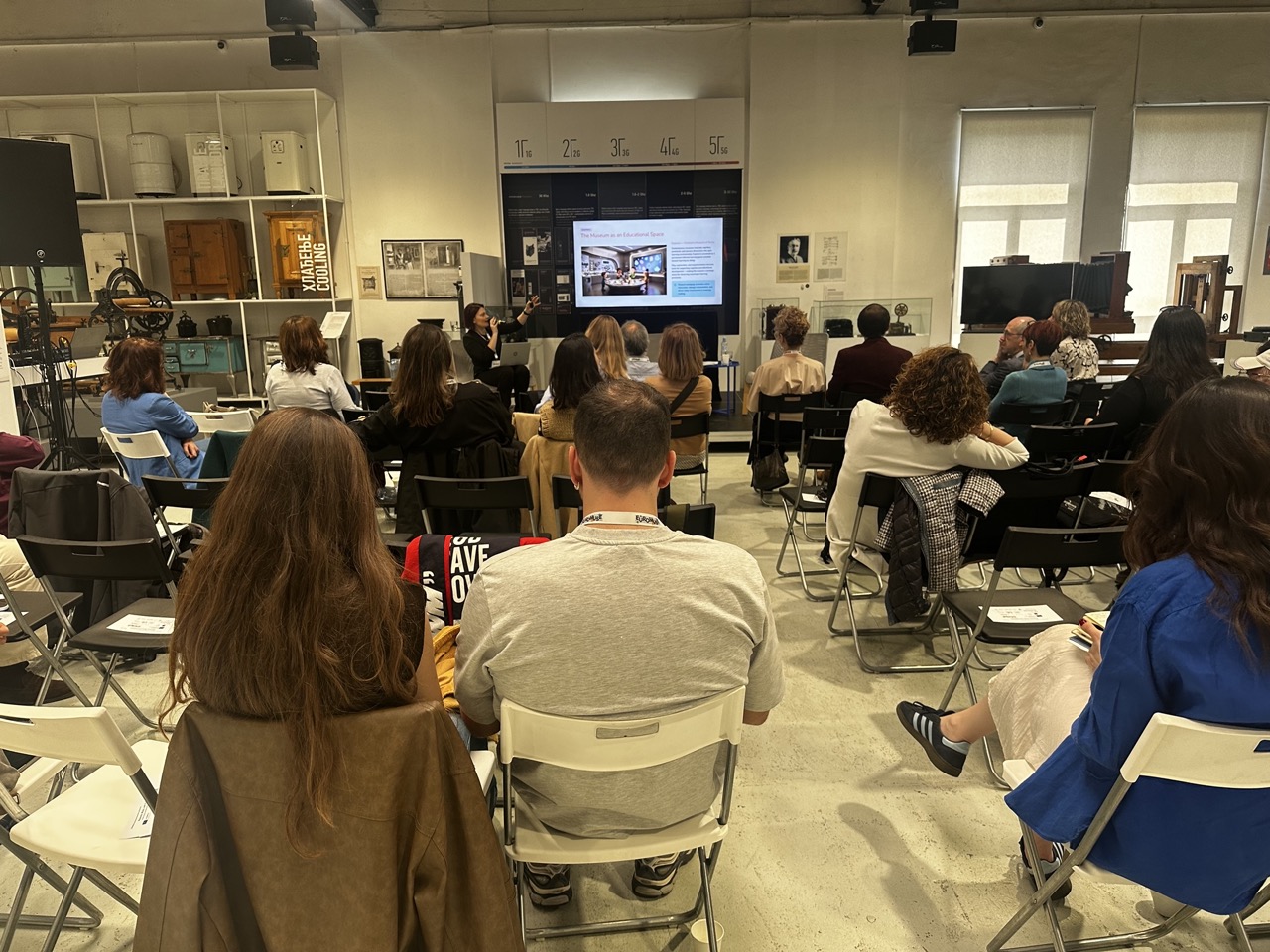
The conference programme included keynote lectures, research presentations, case studies, artistic contributions and discussions on the role of sound as an interpretative, emotional and communicative layer in museum environments. Particular attention was given to the ways in which music can influence attention, memory, spatial atmosphere, accessibility and the overall visitor experience.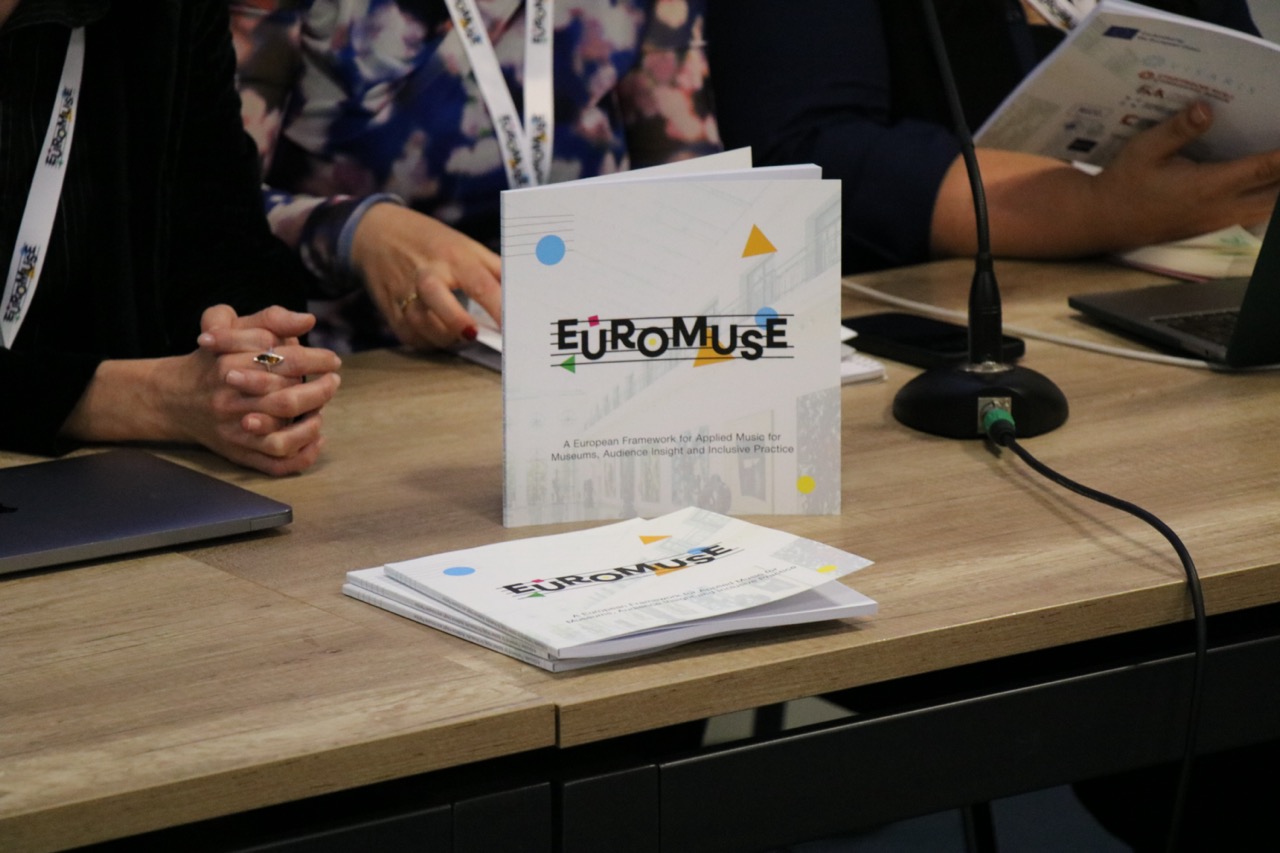
Participants and speakers came from Serbia, Portugal, France, Denmark, Greece, Italy, the United Kingdom, Norway, the Netherlands, North Macedonia and other countries, representing universities, museums, cultural organisations and independent artistic practices. The programme featured representatives of institutions such as NOVA University Lisbon, University of Liverpool, Sonic College – UC South Denmark, University of the Aegean, University of Greenwich, Sorbonne / University of Paris, University of Belgrade, Museum of Vojvodina, Gallery of Matica Srpska and the Natural History Museum in Belgrade.
A central part of the programme was the EUROMUSE project session, where partners presented key project results, including artistic production, the participatory work with museums and audiences, research findings, and the methodological framework for applying music in museum contexts.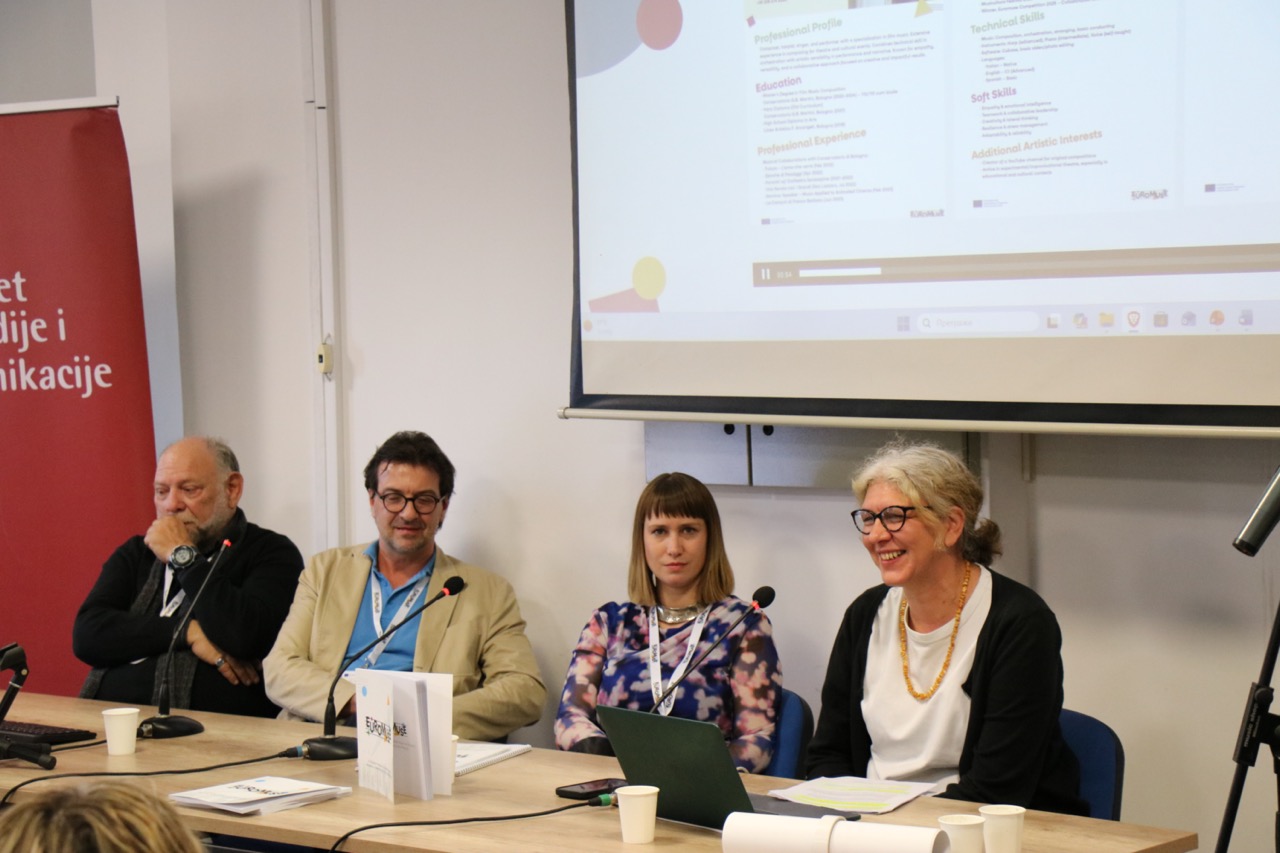
The conference also presented the EUROMUSE publication, which brings together the project methodology, research insights, artistic processes, museum case studies and reflections on the future development of applied music for museums at the European level.
As part of the programme, EUROMUSE Volume 01 was promoted — a music album featuring original compositions created for partner museums in Italy, Greece and Portugal. The album represents one of the central artistic outputs of the project and demonstrates how original music can be developed specifically for museum spaces, collections and visitor experiences.
The conference confirmed the relevance of music and sound as more than background elements in museums. Within the EUROMUSE framework, they are approached as interpretative, research-based and artistic tools that can support cultural participation, inclusion, emotional engagement and deeper connections with heritage.
“The EUROMUSE conference in Belgrade showed that there is a strong international need for new approaches that connect museums, music, audiences and data. Presenting the project results in Belgrade before both local and international professionals was an important step in opening space for further European cooperation in this field,” said Aleksandar Vl. Marković, Conference Chair, author and coordinator of the EUROMUSE concept, and founder of the Centre for Applied Music and EARTH PR.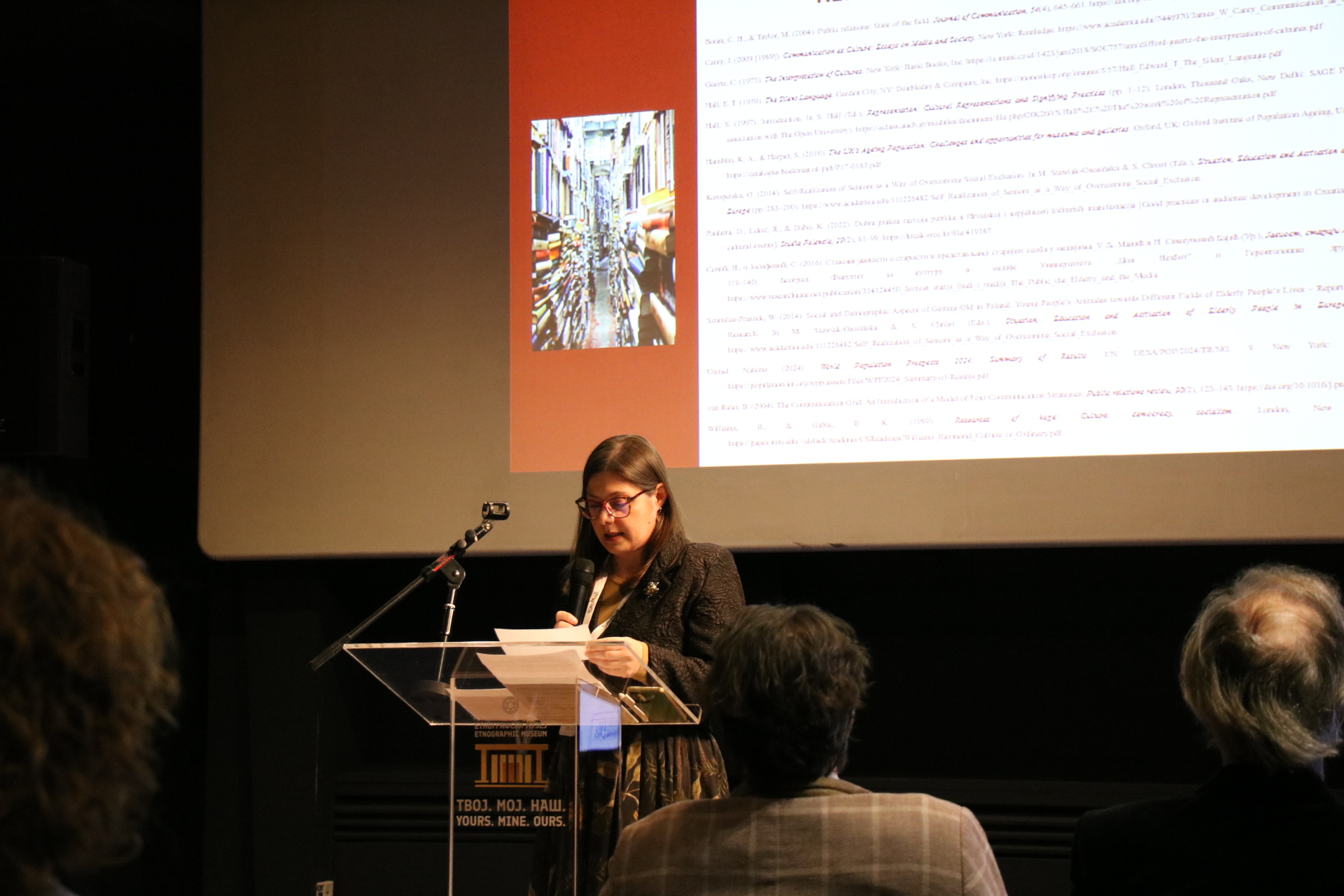 he European Union through the Creative Europe programme.
The conference was supported by the French Institute in Serbia, Instituto Camões, the Italian Cultural Institute in Belgrade, Visaris and Unibrand.
More information about the conference programme and participants is available at:
https://euromuse.eu/conference-page/